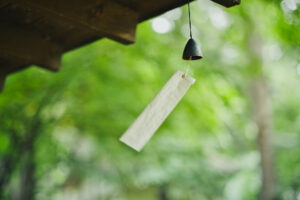
Furin (wind chime)
The Furin is more than a chime; it is a device to perceive the "Void." By translating invisible wind into delicate sound, it defines the space around us. Beyond cooling the air, its fading resonance invites us to embrace nature’s rhythm and find fullness within the silence.
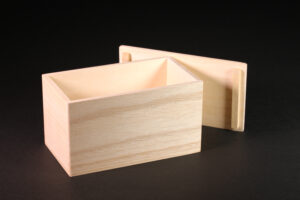
Shiraki Box
Shiraki box is an uncoated wooden box traditionally used in Japan. By remaining plain and undecorated, it creates value through emptiness rather than display. The box protects what it holds, while slowly changing with time, touch, and air, becoming a quiet record of lived experience.
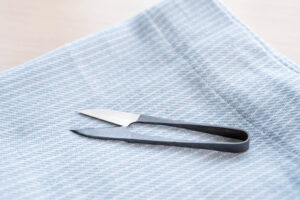
Wa-basami(traditional Japanese thread shear)
The Japanese thread shear, Wa-basami, has no screws—only a single, U-shaped band of forged steel. It moves with your breath, meeting at a single point to cut with a whisper. More than a tool, it is a quiet extension of your hand, turning a simple cut into a moment of peace.

Tatami
Tatami is more than flooring; it is a "vessel of acceptance." By removing shoes and lowering our center of gravity, we embrace a physical constraint. This vulnerability stills the mind and slows our movements, transforming a simple room into a space of profound harmony and natural presence.

Senko (Japanese incense sticks)
Lighting Senko is not about adding fragrance, but burning away the ego’s attachments. As the stick dissolves into smoke, your noise fades, revealing the "Void"—the pure, original Self.
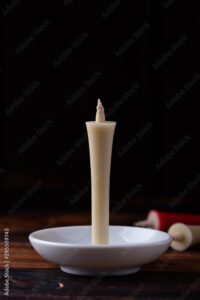
Wa-Rosoku
Wa-Rosoku is a "breathing light" crafted from plants. Its hollow wick draws air to create a living flame that dances even in stillness. Unlike modern lights that erase shadows, it invites a "fertile darkness," using the power of the Void to reveal the quiet beauty of the unseen.
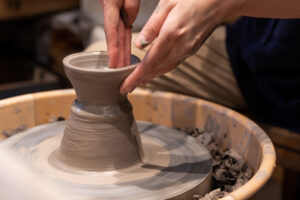
Pottery
Pottery is the art of "moving stillness." By quieting your ego and centering your inner axis, you sculpt the invisible void within the clay. It is not just about making a bowl, but about what emerges when you become one with the spinning earth.

Botanical Dyeing
Botanical dyeing is a quiet ritual, connecting us to nature. We embrace its unexpected colors, finding peace and oneness as we wear fabrics that breathe and gently fade, mirroring life's rhythm.
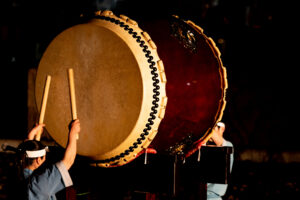
Wadaiko
Wadaiko is the art of "resonant silence." It transforms ancient wood and hides into a vessel for explosive energy. Beyond the powerful shockwaves, its true essence lies in the invisible craftsmanship and the profound stillness between strikes, connecting our inner pulse to the primal rhythms of nature.
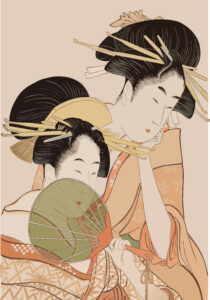
Ukiyo-e
Ukiyo-e is the art of the "Floating World," capturing the fleeting beauty of a world in constant flow. Rather than filling every space, it uses delicate lines and open silence to honor the passing moment. It is a quiet resistance against the noise of life, finding eternity in the transient.
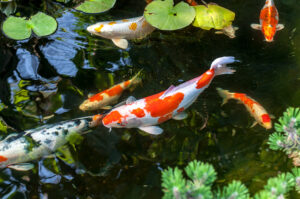
Nishikigoi
Born from harsh winter mud, these living jewels define space through graceful movement. More than fish, they are vessels of time and spiritual filters, transforming our inner noise into stillness. They teach us that beauty is refined by hardship and found in the silence of being.
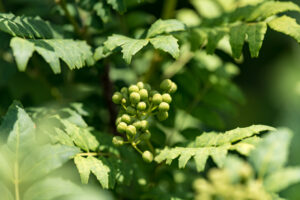
Sansho
Sansho is not just a spice, but a "philosophical key." Its subtle vibration clears the palate, creating a meditative void that strips away noise and reveals the profound, hidden essence of nature’s flavors.